Korean Cream Cheese Garlic Bread: The Viral Treat That's Actually Wrecking Your Food Budget
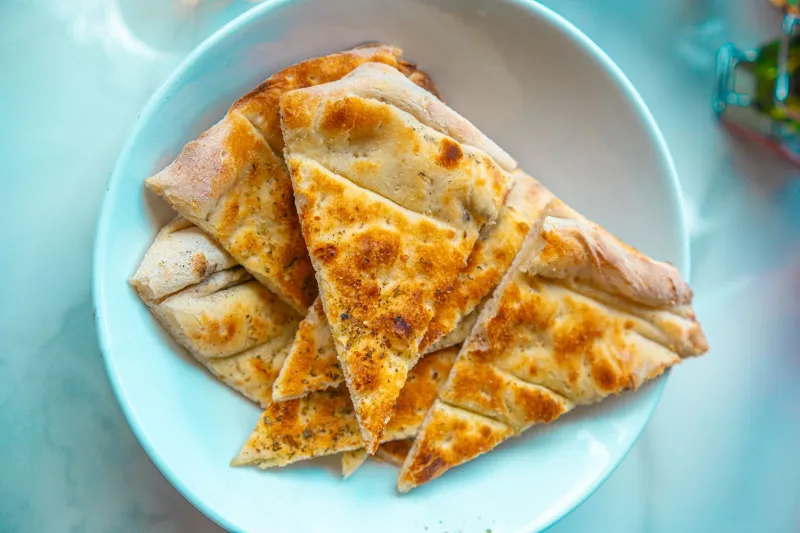
If you've been anywhere near social media lately, you've seen it: that pillowy, golden, gloriously stuffed Korean cream cheese garlic bread. Soft milk bread rolls filled with a sweet cream cheese mixture, drenched in a garlicky butter sauce, and baked until they're crispy on the outside and molten on the inside. It's the kind of food that makes you stop mid-scroll and immediately Google "where can I get this near me."
And that's exactly the problem.
Because here's the thing — food trends like this one are budget killers dressed up in golden butter and Instagram filters. When something goes viral, the price tag follows. We're talking $6 to $10 per roll at specialty Korean bakeries, and that's if you're lucky enough to live near one. Add a coffee, tip, and the gas or rideshare to get there, and your "quick snack" just became a $25 afternoon.
So let's do what we do here at Poke the Dough: poke at the real cost, figure out where the money is actually going, and find a smarter path forward.
The Real Cost of Chasing Food Trends
Food trends aren't new. Remember when everyone was paying $7 for a single cronut? Or $15 for a fancy toast at a brunch spot? The pattern is always the same: something goes viral, demand spikes, specialty shops charge premium prices, and people pay them — not because the food is worth that much, but because everyone is talking about it and FOMO is a powerful force.
Let's put some numbers on this. Say you're hitting up a Korean bakery twice a month for cream cheese garlic bread. At $8 a roll:
- Monthly spend: $16 (just the bread, nothing else)
- Annual spend: $192
- Over five years: $960
Now that doesn't sound catastrophic on its own. But this is rarely just one trend. If you're chasing every viral food moment — the boba, the birria tacos, the fancy smash burgers, the designer donuts — those individual "treats" stack into a serious budget leak. We're talking potentially $1,500 to $3,000 a year on discretionary food spending that you probably never consciously budgeted for.
Why Trendy Food Hits Different (And Why That's a Financial Trap)
There's actual psychology behind why we spend more on trendy food. It's called social proof — when we see thousands of people raving about something, our brains interpret that as a signal that it must be worth it. Combine that with scarcity (limited locations, long lines, sell-out situations) and you've got a recipe for impulsive spending.
Bakeries and food businesses know this. They price accordingly. You're not just paying for ingredients — you're paying for the experience, the aesthetic, and the ability to say you had it. That's a premium most of us don't consciously choose to pay, but we end up paying anyway.
The Smarter Move: Make It at Home for a Fraction of the Price
Here's where it gets genuinely exciting from a budget perspective. Korean cream cheese garlic bread is one of those recipes that sounds complicated but is actually very approachable at home — and the cost difference is staggering.
A basic homemade batch (roughly 6 rolls) costs:
- Bread rolls (store-bought dinner rolls or homemade): $2–$4
- Cream cheese (one 8 oz block): $2.50–$3.50
- Butter, garlic, eggs, parsley: ~$1.50 total
- Sugar, salt, and pantry basics: pennies
Total cost: roughly $6–$9 for six rolls. That's about $1–$1.50 per roll versus $8 at a bakery. You're saving over 80% per serving.
Over a year of making these at home twice a month instead of buying them out, you'd save roughly $150 to $160. That's a car payment. That's a solid contribution to your emergency fund. That's real money.
Budgeting for Food You Actually Love
Here's the part where we get real: we're not saying never treat yourself. Life without Korean cream cheese garlic bread — or whatever your version of it is — isn't a life well-budgeted. It's just a miserable one.
The goal is intentional spending, not deprivation. Here's a framework that actually works:
1. Build a "fun food" line in your budget. Call it whatever you want — treat fund, food adventures, whatever resonates. Give it a real number, even if it's just $20–$40 a month. When it's gone, it's gone. When you've got some saved up, splurge on the bakery visit guilt-free.
2. Apply the "make it first, buy it second" rule. Before you pay premium prices for a trending food, try making it at home once. If it's too complicated or you hate the process, then buying it out is a justified expense. If you can nail it at home, you've unlocked a superpower.
3. Track your food spending for 30 days. Most people genuinely don't know what they spend on food beyond groceries. Coffee runs, bakery stops, food delivery — it adds up fast and it hides. Pull your last month of bank or credit card statements and add up every food purchase that wasn't a grocery run. The number might surprise you.
4. Batch cook and freeze. This is the ultimate budget hack for any bread or baked good. Make a double batch of Korean cream cheese garlic bread, freeze the extras before the final bake, and pull them out whenever the craving hits. You get the bakery experience at home-cook prices, with zero extra effort in the moment.
The Bigger Picture: Your Food Budget Is a Reflection of Your Priorities
Food is one of the most emotionally charged categories in any budget. It's tied to culture, comfort, celebration, and connection. Korean cream cheese garlic bread isn't just bread — for a lot of people, it's a cultural touchstone, a moment of joy, a thing they share with people they love.
Respect that. Budget for it. Just do it on purpose.
The difference between someone who's building financial stability and someone who's constantly wondering where their money went often comes down to small, repeated decisions — the $8 rolls bought impulsively twice a week versus the $8 rolls made at home and savored intentionally once a week.
Same bread. Wildly different financial outcomes.
So go ahead — poke the dough (literally, this time). Make the bread. Enjoy every single bite. Just do it in a way that your future self will also appreciate.