The Money You've Already Earned (And Completely Forgotten About)
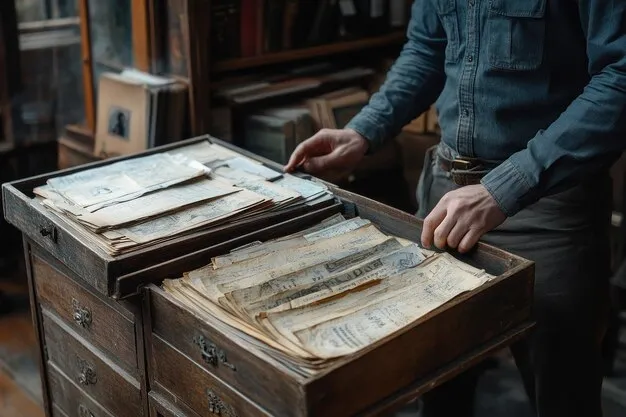
Photo: person searching through old financial documents and papers at desk, via img.freepik.com
Imagine getting a letter in the mail that says, "Hey, you left $2,400 at your old bank. Want it back?" Sounds too good to be true, right? Except it's not. Every single year, state governments across the country collect billions of dollars in unclaimed property — money that used to belong to real people who simply... moved on and forgot to take it with them.
We're not talking about lottery winnings or some kind of financial miracle. We're talking about your money. Old checking accounts. Forgotten security deposits. Life insurance payouts nobody filed for. A 401(k) you had at a job you left in 2011 and never rolled over.
This is what we call the invisible tax. It doesn't show up on your W-2. Nobody's sending you a bill. But every month those accounts sit dormant, inflation quietly chews away at the balance — and in some cases, the funds get absorbed into state coffers entirely.
Let's poke around and find out exactly what you might be leaving on the table.
How Big Is This Problem, Really?
Big. Like, embarrassingly big.
The National Association of Unclaimed Property Administrators (NAUPA) estimates that states are currently holding more than $70 billion in unclaimed assets. The average claim returned to individuals runs somewhere between $1,000 and $2,000 — though plenty of people have recovered far more.
Separately, the Department of Labor estimates that $1.65 trillion sits in forgotten or abandoned 401(k) accounts. That number has roughly quadrupled over the past decade, largely because Americans change jobs more frequently than ever and rarely take the time to roll over their old retirement accounts.
And then there's life insurance. The American Council of Life Insurers has acknowledged that billions in death benefits go unclaimed every year — often because beneficiaries don't even know a policy exists.
Add it all up and you've got a staggering amount of money just... floating around, waiting to be reclaimed.
The Four Places Your Forgotten Money Is Hiding
1. Old 401(k)s from Past Employers
This is probably the single biggest source of forgotten money for working Americans. You leave a job, you're busy with the new one, and that old retirement account just... sits there. Maybe it's still invested. Maybe it's been moved to a default money market fund. Either way, it's not growing the way it should, and you're not managing it.
The fix: Start with the National Registry of Unclaimed Retirement Benefits at unclaimedretirementbenefits.com. You can search by your Social Security number to see if any former employers have reported a lost account in your name. From there, contact the plan administrator directly and initiate a rollover into your current 401(k) or an IRA.
If the old employer went out of business, check with the Pension Benefit Guaranty Corporation (PBGC) at pbgc.gov — they maintain a database of pension plans from defunct companies.
2. State Unclaimed Property Databases
Every state has one. When a financial institution loses contact with an account holder for a set period (usually three to five years), they're legally required to turn those funds over to the state for safekeeping. This covers bank accounts, utility deposits, uncashed checks, stock dividends, and more.
The easiest starting point is MissingMoney.com, a multi-state search tool officially endorsed by NAUPA. You can also go directly to your state's unclaimed property office — just Google "[your state] unclaimed property" and you'll find it.
Pro tip: Search every state you've ever lived in, not just your current one. People who moved around in their 20s and 30s are especially likely to have dormant accounts scattered across multiple states.
3. Life Insurance Policies You Didn't Know Existed
This one catches people off guard. Maybe a parent or grandparent took out a whole life policy decades ago and never told you about it. Or maybe you signed up for a small group life policy through an old employer and forgot it existed.
The National Association of Insurance Commissioners (NAIC) runs a free Life Insurance Policy Locator at eapps.naic.org. You submit a request, and participating insurers will search their records for policies that list you as a beneficiary. The process takes a few weeks, but it's completely free and has helped thousands of families recover money they didn't know was coming to them.
Also worth doing: dig through any old paperwork from deceased relatives. Look for premium payment receipts, policy numbers, or correspondence from insurance companies. Even a single document can be enough to start a claim.
4. Dormant Bank Accounts and Forgotten Investments
That checking account you opened at a regional bank before you moved across the country? If you stopped using it and didn't formally close it, there's a decent chance it got turned over to the state after a few years of inactivity.
For forgotten brokerage or investment accounts, the SEC's investor.gov website has resources to help you track down old accounts. If you held stock in a company that was acquired, merged, or went through a name change, your shares may have been converted and are sitting in a transfer agent account somewhere.
FINRA's BrokerCheck tool can help you verify whether old brokerage firms are still operating or have been absorbed by another company — which is often the first step in tracking down old investment accounts.
How to Run Your Own Financial Loose Ends Audit
Don't just do one search and call it a day. Here's a systematic approach:
Step 1: Pull out your work history. List every employer you've had for the past 15 to 20 years. For any job where you participated in a 401(k), track down the plan administrator and verify your account status.
Step 2: Search MissingMoney.com using every name you've gone by (maiden name, married name, any legal name changes) and every state you've lived in.
Step 3: Submit a request through the NAIC's Life Insurance Policy Locator for yourself and for any deceased relatives where you might be a beneficiary.
Step 4: Think back on every bank you've ever used. If you're not sure whether you formally closed an account, call the bank directly. It takes five minutes.
Step 5: If you've ever received stock as part of an employee compensation package, verify that those shares are accounted for in a brokerage account you actively manage.
What to Do Once You Find Something
Claiming your money is usually straightforward, though it does require documentation. Most state unclaimed property offices will ask for a government-issued ID and proof that you're the rightful owner (old bank statements, a utility bill from that address, etc.). For larger claims, they may require additional verification.
For retirement accounts, you'll typically need to contact the plan administrator and request a direct rollover into a current account. Avoid taking a cash distribution if you can — you'll owe income taxes and potentially a 10% early withdrawal penalty if you're under 59½.
Once you've reclaimed the money, make a plan for it. Drop it into your emergency fund, accelerate your debt payoff, or put it to work in a well-diversified investment account. Don't let it sit in a checking account where it'll quietly do nothing.
The Bigger Lesson Here
The invisible tax isn't just about forgotten accounts. It's about the financial loose ends we all accumulate when life gets busy and money management takes a back seat. A little bit of intentional poking around — a few hours of your time, spread across a weekend — can turn up money you'd completely written off.
Your past self worked hard for every dollar in those accounts. Go claim them back.